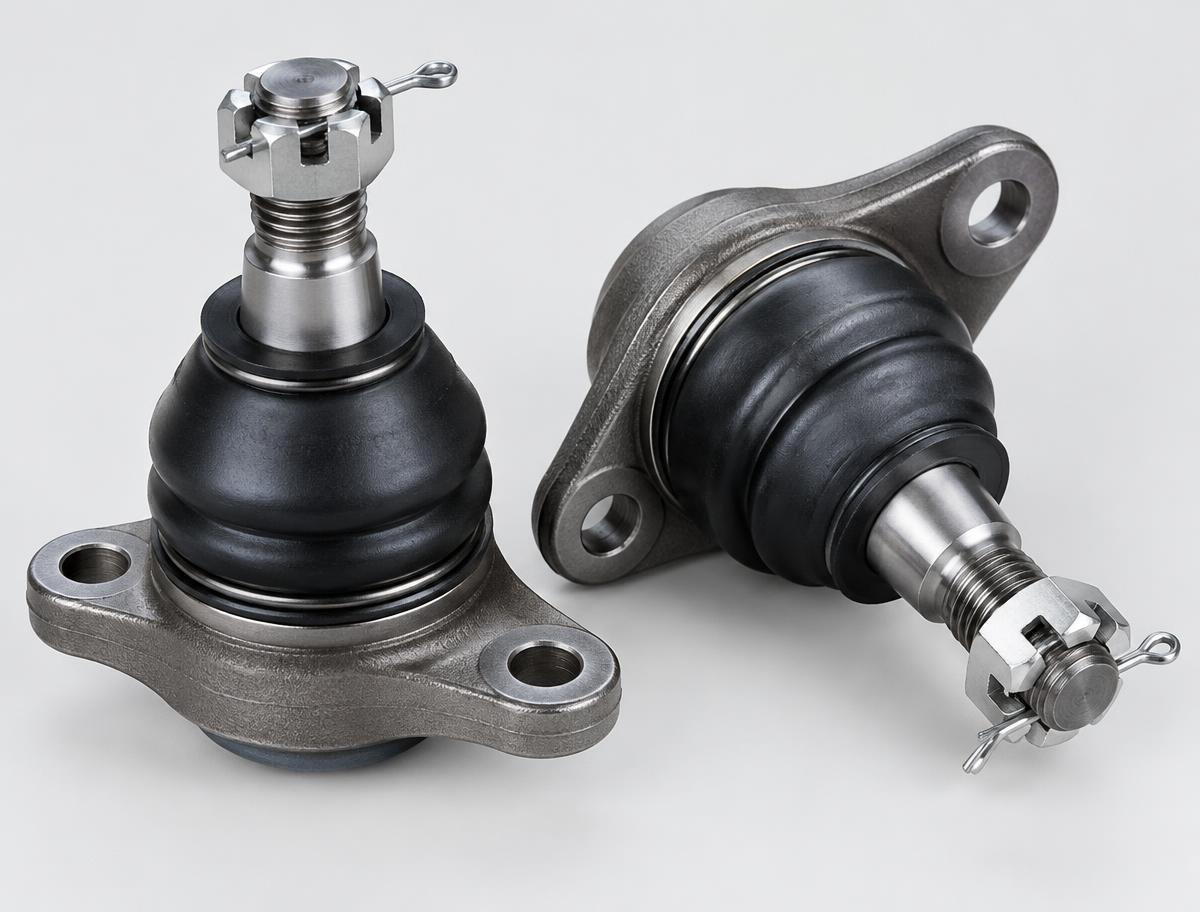
Ball Joints
Ball Joints: Function, Interfaces and Application Matching
A ball joint is a spherical bearing that connects a control arm to the steering knuckle. It allows the knuckle to pivot for steering while moving vertically with the suspension. Because the joint sits at a critical interface, its dimensions and mounting style must match the application precisely.
Product Types
Ball Joints Overview
Press-in ball joints
Pressed into a bore in the control arm or knuckle; housing diameter is critical.
Bolt-on ball joints
Flange-mounted with bolts; flange pattern and hole spacing define compatibility.
Screw-in ball joints
Threaded housing installed into the arm.
Load-carrying and follower joints
Different roles depending on where the spring load is carried in the suspension design.
Function
What These Components Do
- Allow multi-axis articulation between the arm and knuckle
- Support steering rotation and suspension travel together
- Maintain a secure, low-play connection under changing loads
Before Ordering
Specifications Buyers Should Confirm
- Mounting style: press-in, bolt-on, screw-in or riveted
- Housing diameter or flange pattern
- Stud taper, stud length and thread specification
- Overall height and articulation angle where specified
- Boot type and grease fitting requirement
Fitment
Application & Fitment Considerations
We do not claim vehicle compatibility without verification. Every application is confirmed against the references you provide.
- 01
Upper and lower joints are usually different parts.
- 02
Stud taper must match the knuckle bore.
- 03
Confirm whether the joint is serviced separately or only with the control arm on the target vehicle.
Catalog
Example Ball Joints
Illustrative examples. Part numbers and applications are confirmed per inquiry.
FAQ
Frequently Asked Questions
Related
Related Categories
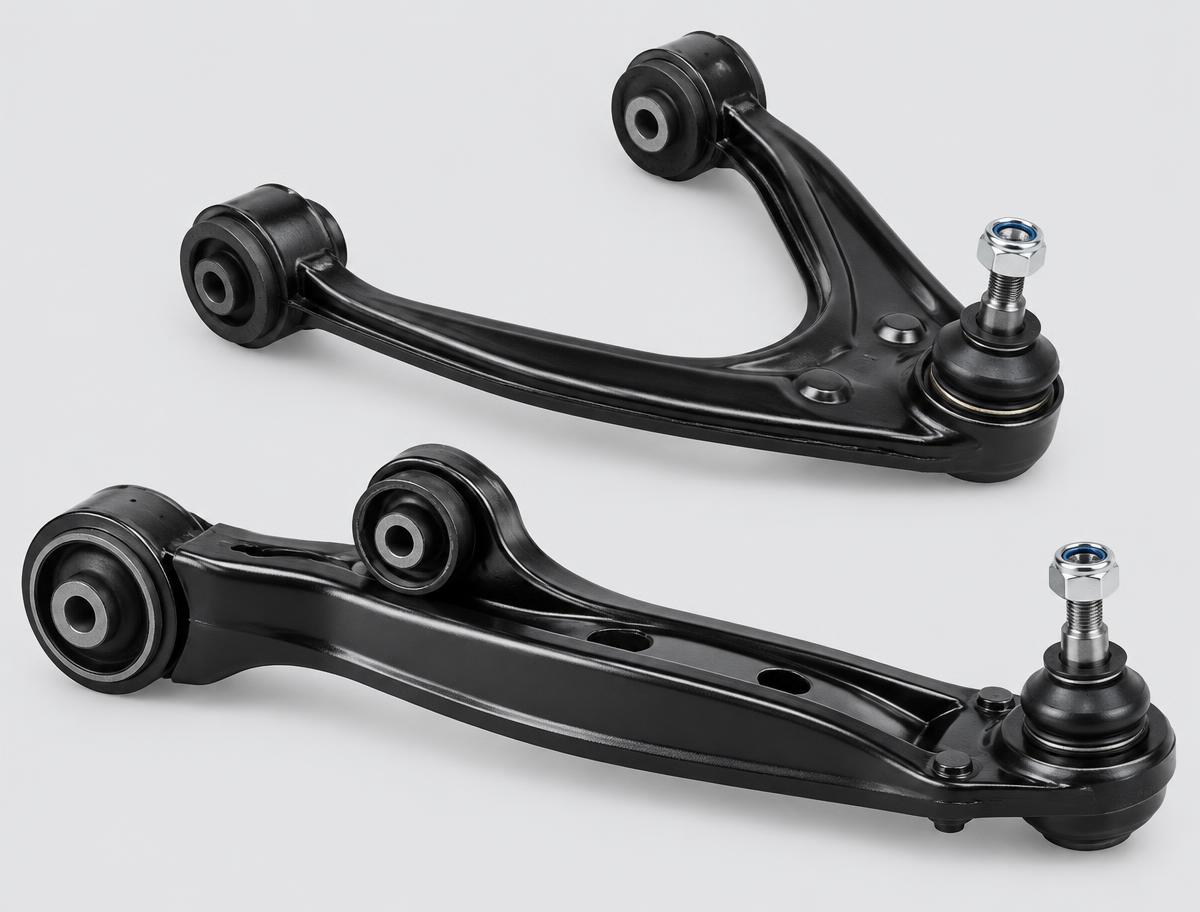
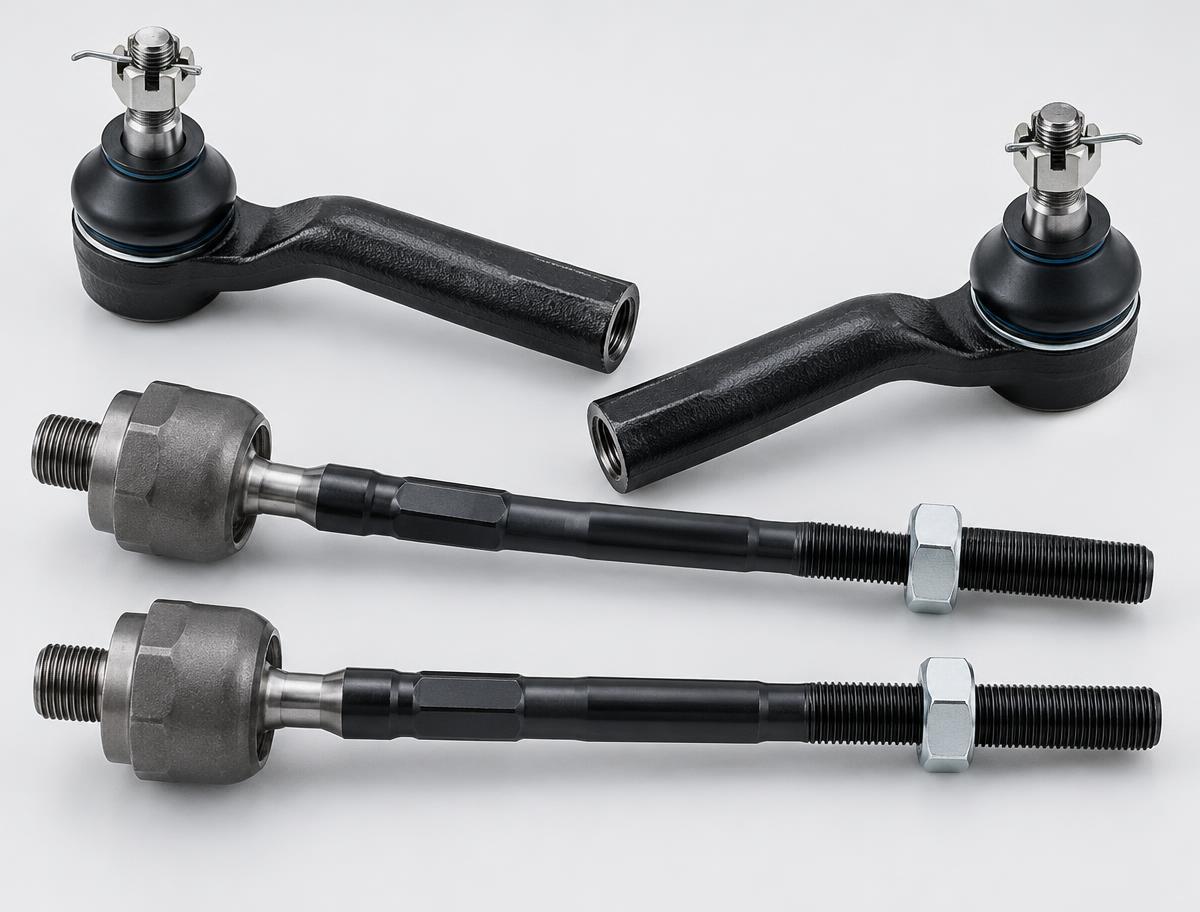
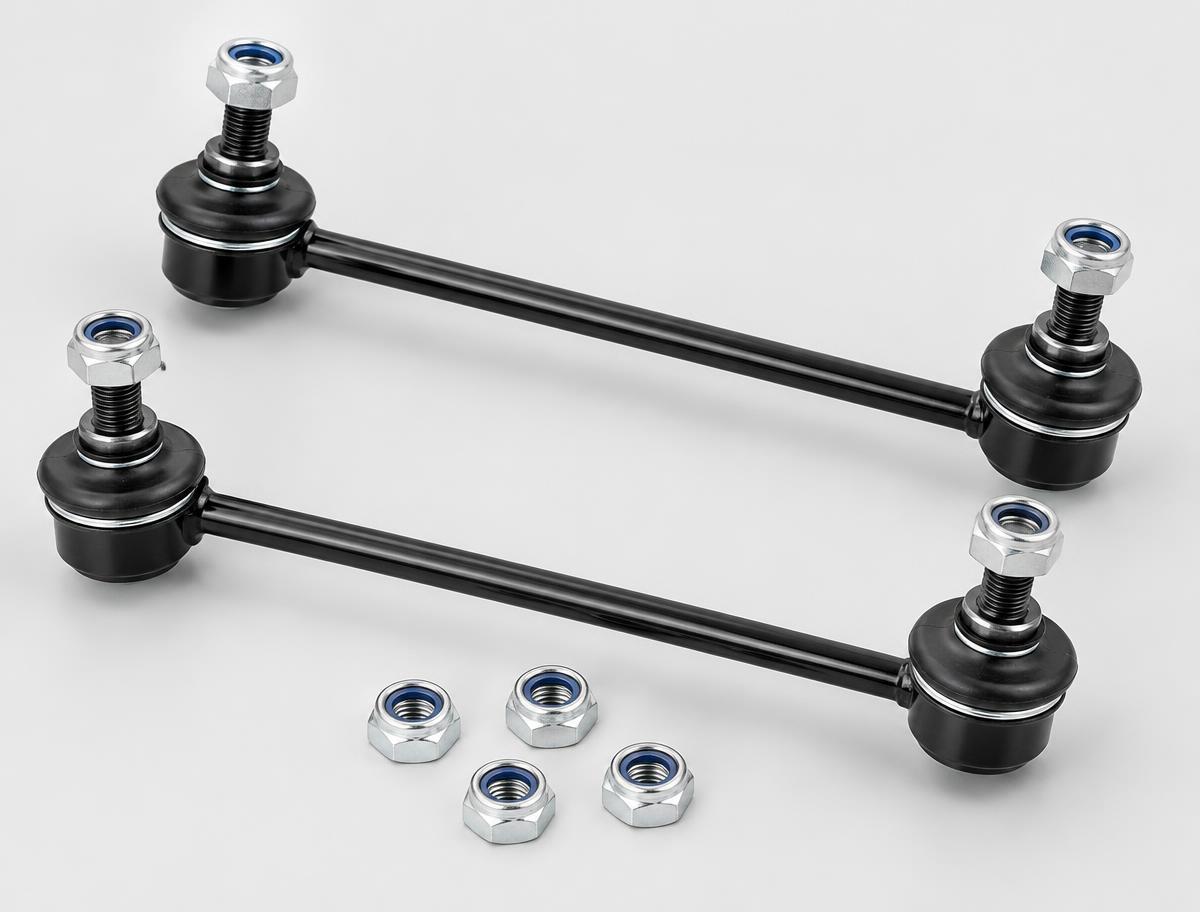
Sourcing Ball Joints?
Send your part numbers, vehicle applications and quantities. We will clarify specifications and prepare a quotation.